




Bids and proposals
Articles and resources from bid specialists to help you plan, write and manage winning bids and proposals
Contents
Featured

Make AI your assistant
Five ways to create a winning proposal under pressure using AI

Marketing strategy
How to write a winning marketing proposal [with presentation template]

Writing for fundraising
How to write a compelling needs statement for a grant proposal

Grant-writing strategy
Why grant proposals are rejected (and what to do if yours is)
All articles
Five ways to create a winning proposal under pressure using AI
How to write a winning marketing proposal [with presentation template]
How to write a compelling needs statement for a grant proposal
Why grant proposals are rejected (and what to do if yours is)

Goals, objectives, outcomes and more: navigating the language of grant proposals

How to create and manage a better bid library

Asking tender clarification questions: a best practice guide [with examples]

How to create strong tender responses with subject matter experts

Business proposals: start where the reader is

Tender responses 101: win themes and USPs

Five things to remember when writing your first bid

Put yourself in pole position to win the biggest deals using thought leadership

Nine ways to win more work with your bids

Executive summaries for bids and proposals: a Q&A

What is ego depletion and why every bid writer needs to know

Is your bid presentation pushing prospects into the cold?

Bid management: a step-by-step guide

Better bid/no-bid decisions – three signs you should say no

Want to give your bids the winning edge? Use theme statements

How to boost your bid win rate by ghosting your competitors

A guide to social value and how to respond to social value questions in tenders

How to write a case study for a bid

How to write winning bids with tight limits on characters, words or pages

The essential guide to PQQs (or SQs) in bid writing

How to write a winning executive summary for your bid [with example]

The ‘Four Ps’ of proposal writing

How to write an effective elevator pitch – and use it in your business [with examples]
Quick questions
For those answers that don't need a full article
Useful resources

Prompting success
The Boardroom Advantage
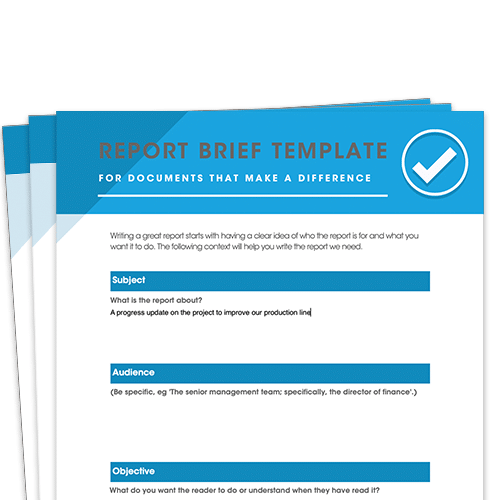
Report briefing template

Proofreading checklist
Case studies
See how we've helped our clients

Business report writing, Writing to the board
'We cut the iterations on our strategy documents from 56 to just 4!'
Shawbrook Bank

Business report writing
Making crucial health information accessible for the people who need it
The Health Policy Partnership


Bids and proposals
Streamlining the writing process and speaking with one voice at Suez Environnement Group
Suez Environnement Group


Bids and proposals
How a tiny team at a children’s charity won the biggest contract of their lives
One YMCA


Corporate communications
Tailored treatment means healthier writing at The King’s Fund
The King’s Fund

Technical writing, Writing to customers
Environment Agency cultivates a new public image
Environment Agency

Corporate communications, Writing for marketing
Transforming opinion writing at EY for insights that get press attention
EY


Business writing essentials, Writing to customers
Demystifying legal speak at Nabarro for a rebrand that sets it apart from the competition
Nabarro

Business report writing
Turning complex information into impactful research reports at CFE
CFE Research


Bids and proposals
Liverpool John Moores University boosts sales-writing skills with bespoke training programme
Liverpool John Moores University