



Jacob Funnell
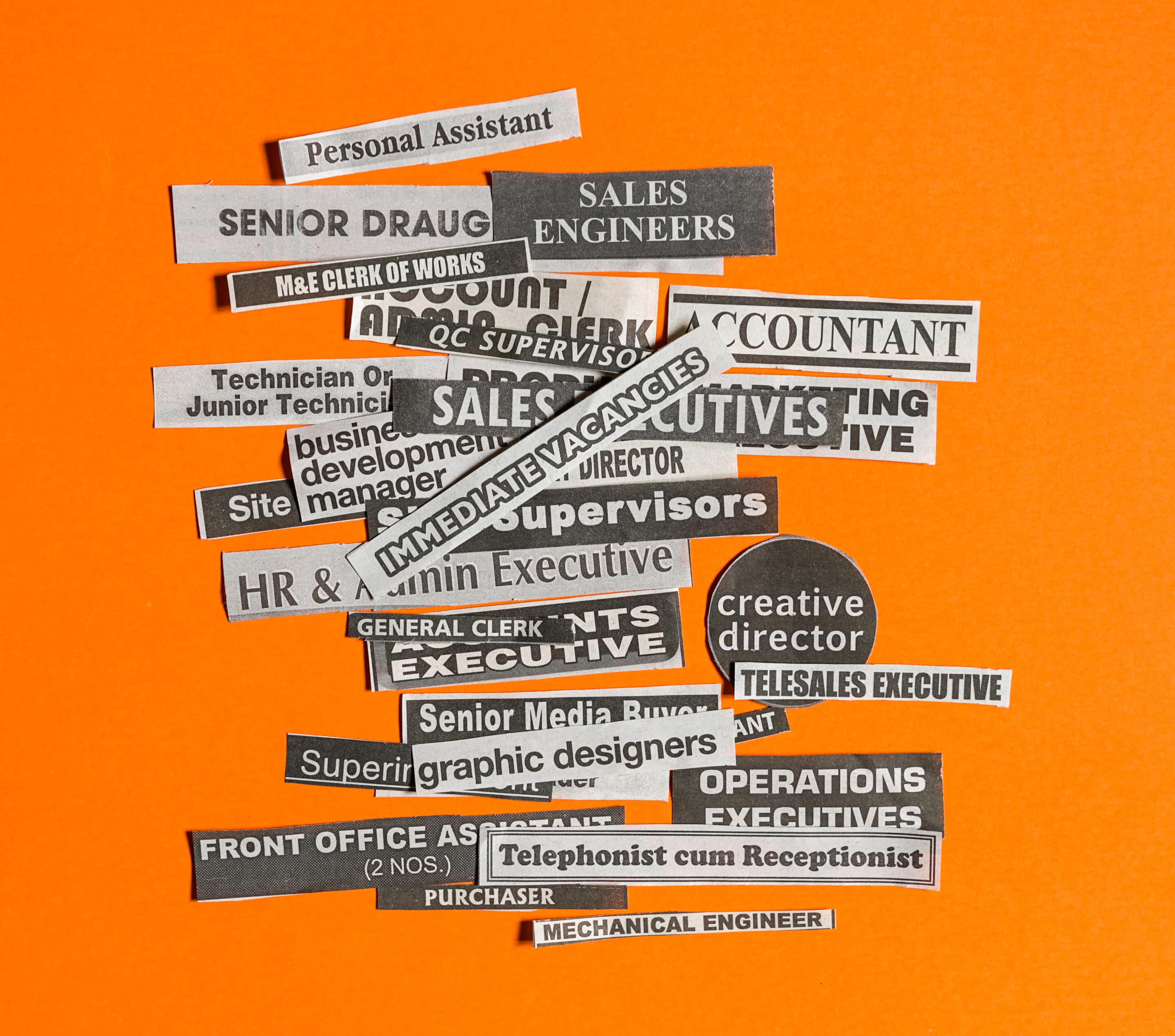
So, should you capitalise job titles? Ask around for opinions and you’ll probably get several different answers.
You might think this is because they’re all mistaken about the ‘right’ answer. But that’s not the case – there’s no single, universally agreed upon standard for capitalising job titles.
In cases like this, you need an internal style for your company or organisation.
Style questions
A style is a set of standards that you use in all your documents.
Job titles are a great example. There are times where using initial capitals (the Prime Minister) is just as acceptable as using all lower case (the prime minister).
Thinking about questions like this every time you write is a time-consuming distraction. Adopting a set of rules (a style) and sticking to it throughout all your documents avoids that distraction – and ensures consistency in everything you write.
Style guides
There are a number of good style guides which address questions like these. Popular examples include The Economist’s Style Guide and the Guardian’s Guardian Style.
Unfortunately, most major style guides are focused on guidelines for publication, and lack good guidelines for job titles when used in a professional context.
Emphasis house style
To bridge this gap, we’ve developed our style. It comes from our experience of working with more than 3,000 organisations from every sector over the last 18 years. So you may well find it helps you.
The style balances the need to define a formal title with the importance of avoiding needless initial capitals (which would otherwise break up the flow of your sentences by adding unnecessary emphasis).
We’ve also designed it to not be distracting. Style choices that go against your readers’ expectations can do more harm than good.
Capitalising job titles for business
If you’re referring to a job role in general, don’t use initial capitals.
All associate directors will be allocated a line manager and a career coach.
Don’t use initial capitals where the title is being used as a description.
The chief executive is Jane Brown and the associate director is Paul Woods.
We have a new marketing intern.
I’ll need to ask our sales director.
I work as an architect.
Use initial capitals where the term is serving as an actual title – just as you would on a business card or email signature.
Chief Executive Jane Brown and Paul Woods, Associate Director, were both late.
Attendee list:
Anna Collins, Editorial Director
Shazeen Iqbal, Chief Financial Officer
Pope Francis
Consistency is key
The most important thing about any given style is not the details. It’s the fact that it will save you (and everyone else in your organisation) the mental labour needed to make the decision each time you come to write. And that’s important for everyone who writes at work – whether you’re a sales intern or Chief Executive Mark Zuckerberg.
We’ve developed internal style guides for businesses and other organisations across every sector. If you’re interested in developing an internal style guide for your organisation, get in touch.
Image credit: Nyvlt-art / Shutterstock
Subscribe
Expert advice to your inbox